Reviving Humoral Medicine
with Dr. Hani El Batal
.png)
🌐 English version available — Click “English” | الموقع متوفر باللغة الإنجليزية
%20(1080%20x%201920%20px.png)

Sayings of Doctors on Treatment
Doctors unanimously agree that the treatment of the same illness varies according to age, season, habits, previous diet, customary environmental influences, and the strength of the individual’s constitution.
— Imam al-Māzarī
Section Title
An illness may be classified as:
hot or cold, and wet or dry.
✦ It is the same illness—the same disease—yet it may be hot or cold, wet or dry.
✦ Its treatment also varies according to age, such as between an older person and a younger person, and so forth.
_edited.jpg)
Section Title
When a patient has a cold temperament, the appropriate medicine is hot.
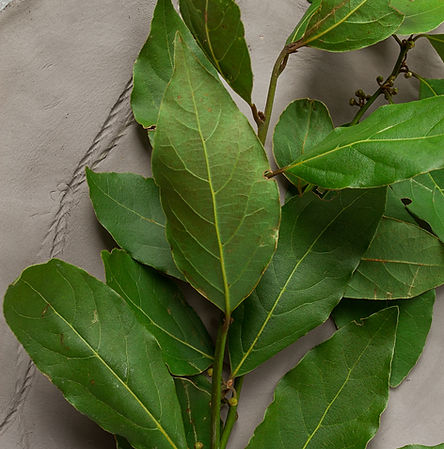
For example, if a person has a cold-type common cold and the doctor prescribes bay laurel—bay leaves—the herb is considered hot and dry.
Because it is hot, it is used to treat a cold, phlegmatic common cold, which is considered cold and wet.
🔹 As we have said:
Human beings were created with the four humors:
blood, phlegm, yellow bile, and black bile—and diseases are classified accordingly.
️
A Change in Temperament Due to External Factors
If a patient is exposed to something that makes their temperament hotter—such as intense heat from the sun—their temperament may temporarily change from cold to hot because of that external factor.
🔹 In other words:
The patient originally had a cold condition in the head, but it became hot after exposure to severe heat from the sun.
In that situation, giving the patient the hot bay laurel medicine that had been prescribed for the cold-type common cold may become harmful to them.
An Important Warning in Treatment
We must be careful.
The patient has now been exposed to a factor that has made their temperament hotter. Therefore, the medicine should be discontinued because it would further increase this temporary heat of temperament and could cause serious harm.

The Effect of Modern Hot Medications on Different Temperaments
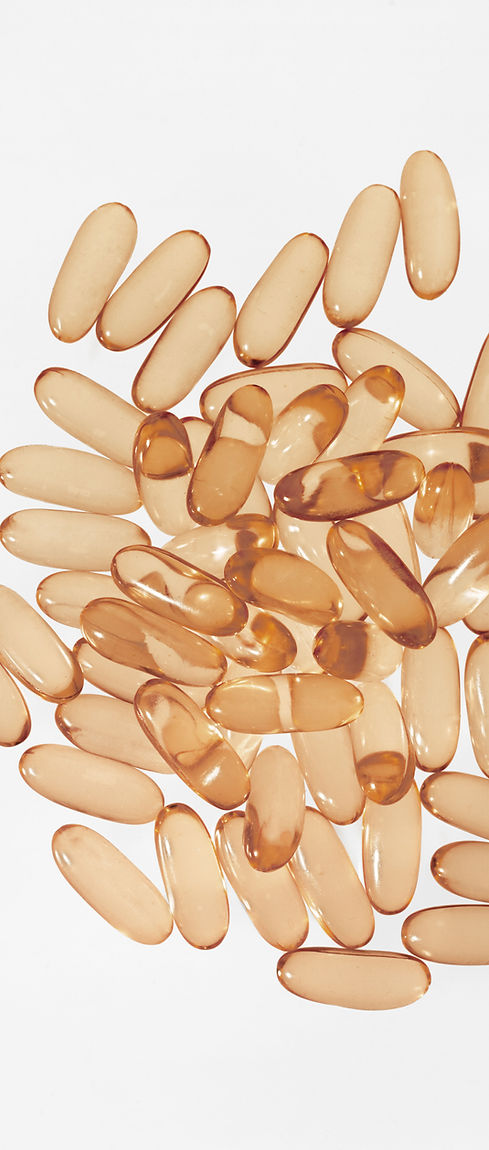
If the medication is a modern medicine, such as a blood thinner—for example, aspirin—
then it is a blood thinner, and a blood thinner is considered hot, not cold.
Its action is to thin the blood, because coldness does not thin; rather, it is hotness that causes thinning, whereas coldness causes thickening.
🔹 Therefore, if such a hot medication is given to a person with a cold, phlegmatic temperament to reduce the thickness and viscosity of the blood, it will be beneficial.
However, if something occurs that temporarily makes his temperament hotter...
For example:
-
standing in the sun for a long time,
-
causing the blood to become thinner,
-
developing a fever,
-
or experiencing intense anger—which happens to many people—
and then, after that, he also takes the blood thinner,
what happens?
🔴 He may develop bleeding,
for example, in the brain or in the stomach—and this happens frequently.
Many people go to the hospital because of this, and some even die.
They experience bleeding that doctors are unable to stop.
An Important Note About the General Use of Medications
It should not be said:
"Everyone over the age of fifty should take a blood thinner."
❗ After the age of fifty,
those who have a cold, phlegmatic temperament
will generally not be harmed by taking a blood thinner, because a blood thinner is considered hot.