Reviving Humoral Medicine
with Dr. Hani El Batal
.png)
🌐 English version available — Click “English” | الموقع متوفر باللغة الإنجليزية
%20(1080%20x%201920%20px.png)
The Messenger of Allah ﷺ said:
“Whoever practices medicine without being known to possess medical knowledge is liable.”
Narrated by Abu Dawud in Al-Sunan
A person who does not understand the properties of medicines and the conditions of diseases—which vary according to different circumstances and times—must not undertake the treatment of a patient without proper knowledge. Whoever treats patients in this manner, while lacking the expertise possessed by qualified practitioners who understand the nature of diseases and medicines, is held responsible for any harm caused.
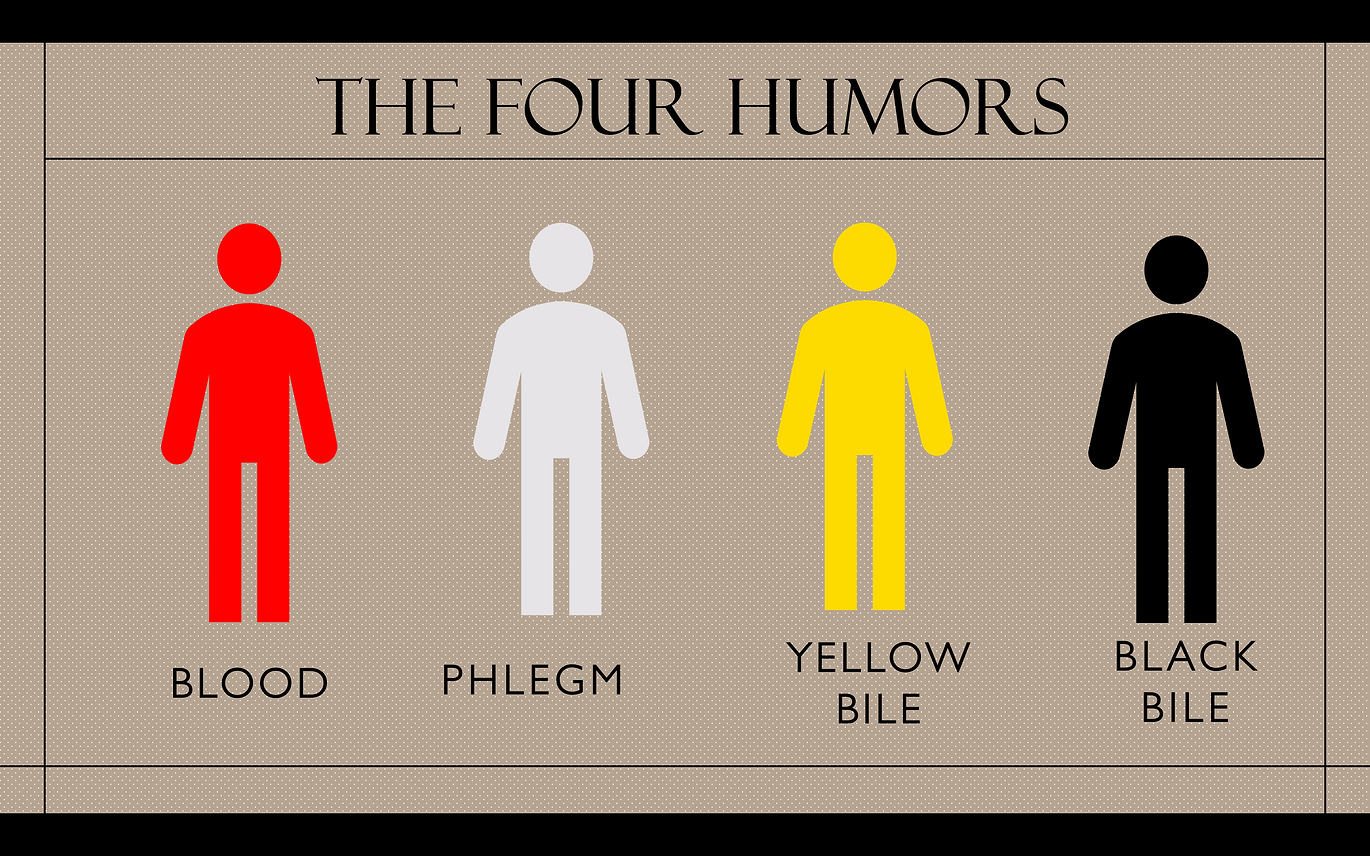
Who Is Considered a Doctor in Humoral Medicine?
A doctor is someone who understands the temperaments of diseases, because some diseases result from an excessive degree of hotness, coldness, dryness, or wetness beyond the natural limit, while others are composed of several temperaments.
Anyone who does not understand the patient’s temperament and the temperament of the illness cannot be considered a doctor.
A doctor must also understand the properties of medicines—whether they are hot, cold, wet, or dry—because they must be used in opposition to the temperament of the illness.
For example, if the illness is hot, dry, and yellow bile-dominant, it is appropriate to use cold and wet phlegmatic medicines.
An illness may also be composed of two opposing temperaments. For example, it may be hot, dry, and yellow bile-dominant, mixed with cold and wet phlegmatic qualities. In such a case, the doctor combines the appropriate medicines, because the illness is neither purely bilious nor purely phlegmatic.
The doctor must therefore take into consideration the hotness and dryness of yellow bile, as well as the coldness and wetness of phlegm. For example, hot and dry medicines may be combined with cold and wet medicines in proportions suited to the illness.
Visit our Instagram Account for more


Properties of Medicines
-
The Resolvent: A substance that prepares matter for evaporation, allowing it to dissipate, such as castoreum.
-
The Detergent: A substance that removes sticky moisture from the pores of an organ, such as honey.
-
The Opener: A substance that expels obstructing matter from a passage, such as celery.
-
The Maturative: A substance that moderates the consistency of a humor and prepares it for expulsion.
-
The Disintegrant: A substance that divides matter into small parts and breaks its continuity, even if it remains thick.
-
The Lithotriptic: A substance that reduces the size of hardened particles within a humor, such as Lapis Judaicus.
-
The Lubricant: A substance that wettens the surface of retained waste within a passage, allowing it to slide out and be expelled, such as plums.
-
The Astringent: A substance that draws together the parts of an organ.
-
The Adhesive: A dry substance containing sticky wetness that adheres to openings and blocks them.
Properties of Medicines
-
The Resolvent: A substance that prepares matter for evaporation, allowing it to dissipate, such as castoreum.
-
The Detergent: A substance that removes sticky moisture from the pores of an organ, such as honey.
-
The Opener: A substance that expels obstructing matter from a passage, such as celery.
-
The Maturative: A substance that moderates the consistency of a humor and prepares it for expulsion.
-
The Disintegrant: A substance that divides matter into small parts and breaks its continuity, even if it remains thick.
-
The Lithotriptic: A substance that reduces the size of hardened particles within a humor, such as Lapis Judaicus.
-
The Lubricant: A substance that wettens the surface of retained waste within a passage, allowing it to slide out and be expelled, such as plums.
-
The Astringent: A substance that draws together the parts of an organ.
-
The Adhesive: A dry substance containing sticky wetness that adheres to openings and blocks them.
The Variation of Times in Relation to Diseases and Medicines
Diseases and medicines vary according to time and season, because each season has its own temperament that affects the body and the humors.
Summer is hot and dry, winter is cold and wet, spring is temperate with a tendency toward hotness and wetness, and autumn is cold and dry. Therefore, certain types of diseases may become more common in each season according to its temperament. The strength and effect of a medicine may also vary depending on the season in which it is used.
A warming medicine may be suitable in winter, but it may be harmful during intense summer heat. A cooling medicine may be more beneficial in summer than in winter. Therefore, the doctor should consider the time of the illness, the season, the weather, and the patient’s temperament before choosing the medicine and determining its dosage.
Some diseases also worsen during one season and improve during another. What becomes aggravated in summer may subside in winter, while what worsens because of cold may improve when the weather becomes moderate.
For this reason, the treatment of a disease is not necessarily the same at all times; rather, it may vary according to the season and the patient’s condition.
%20(1200%20x%20630%20px).png)

".The doctors said: “Our books are deadly poisons.”
Meaning: Whoever reads the books of medicine and relies on understanding them without receiving instruction and studying under someone qualified may risk harming people. Therefore, one must be cautious.
Medicines described in medical books have different temperaments. A medicine may benefit one person suffering from a particular illness while harming another person with the same illness, depending on the temperament of the medicine, the nature of the illness, and the season.
For example, medical books mention various herbs that relieve headaches. Some are hot and dry, while others are cold and wet, and so forth. If someone reads that bay laurel is beneficial for headaches and uses it for themselves or another person simply because they have a headache, it may cause harm if the headache is caused by yellow bile.
This is because bay laurel has a hot, dry, yellow bile-dominant temperament and is beneficial for a phlegmatic headache. The harm would be even greater if a person with a hot, dry, yellow bile-dominant headache used bay laurel during the summer, which is itself a hot, dry, yellow bile-domiant season.